


Latest · September 19, 2026
- Future of Work
- Critical Thinking
- AI
The Distance Between Thought and Thing
What changes when the distance between a question and what we can create to explore it begins to collapse, and judgment becomes a harder skill?
Insights · Field notes
Field notes on UX, product design, accessibility, DesignOps, governance, and AI, written for the people making product and delivery decisions.
The newest note from the UX desk.
Latest · September 19, 2026
What changes when the distance between a question and what we can create to explore it begins to collapse, and judgment becomes a harder skill?
Decision-focused analysis on UX, product, accessibility, DesignOps, governance, and AI. Newest first.
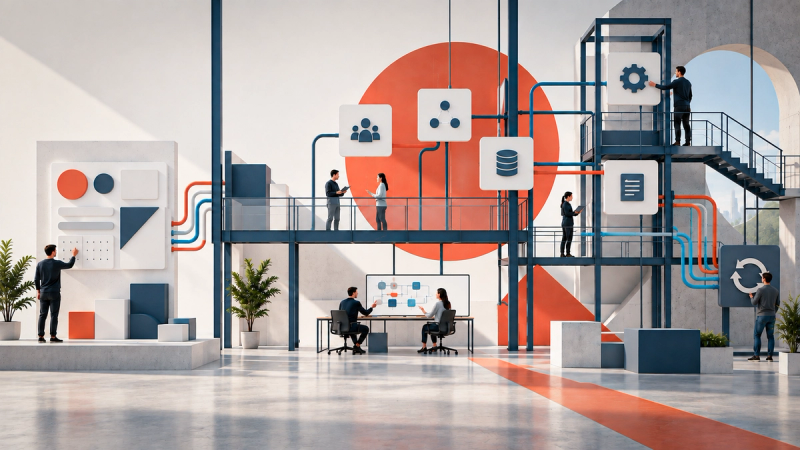
Building components is the easy part. Building an organization capable of keeping a design system useful is something else entirely.

We cannot predict every way an AI agent might interpret us. The guardrail belongs where interpretation becomes a consequence.

Good product design is less about removing friction than deciding where it belongs. Every trade-off has a cost. The real question is who pays for it.

How governance, capability, trust, and decision authority determine whether evidence changes enterprise work—or becomes another dashboard nobody acts on.

How to turn vague requests into accountable design work by defining the problem, baseline, hypothesis, measures, guardrails, and ownership before opening Figma.

Why attention, conversation, and synthesis still need practice in the age of automation
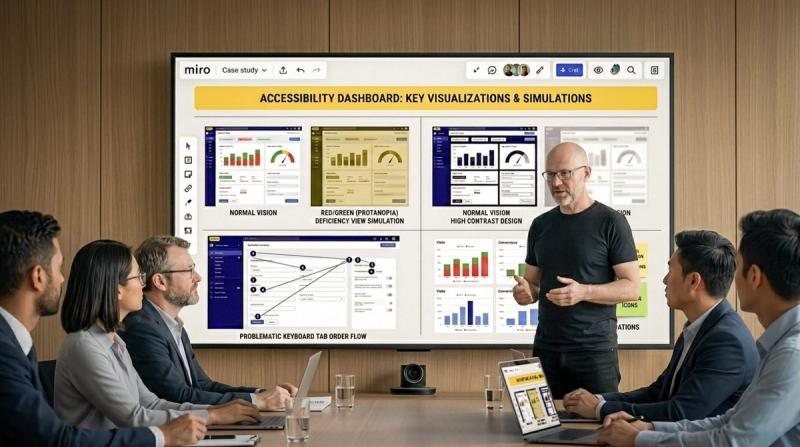
Many companies think accessibility does not affect them. Here is why that blind spot creates product and compliance risks and erodes trust.

B2E AI adoption fails when teams design around personas instead of functions, risks, trust barriers, and human control points.

AI is changing agency economics by making company knowledge searchable, portable, and easier for small expert teams to use.


Most teams don’t lack talent. They lack visibility. TCE helps leaders see capability gaps before projects slip and people burn out.

Design systems were built as libraries for humans. AI needs something else: a governed context engine. This article lays out a four-layer DesignOps model for controlling how design knowledge enters AI workflows, how output gets evaluated, and how corrections become better system behavior over time.

From artifact maker to AI system orchestrator: why evaluation literacy is becoming the most valuable skill in UX design.

Avoid the demo trap with scalable AI governance: evals, prompt regression testing, red-teaming, and delivery gates for enterprise teams.

In the age of AI, human capability is the real advantage. Tools scale output. Judgment, empathy, and governance scale trust.

Most AI programs fail before the dashboard turns red. TCE Trust Signals catch the human drift that delivery metrics miss.

Most delivery failures start before the metrics move. Here’s how hidden human signals derail transformations long before dashboards turn red.
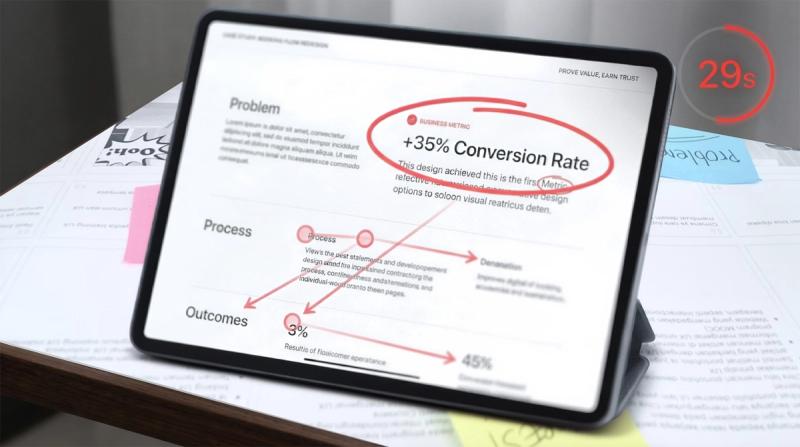
Your UX portfolio is a product. Use this 7-part audit to prove value, show judgment, and earn trust fast.
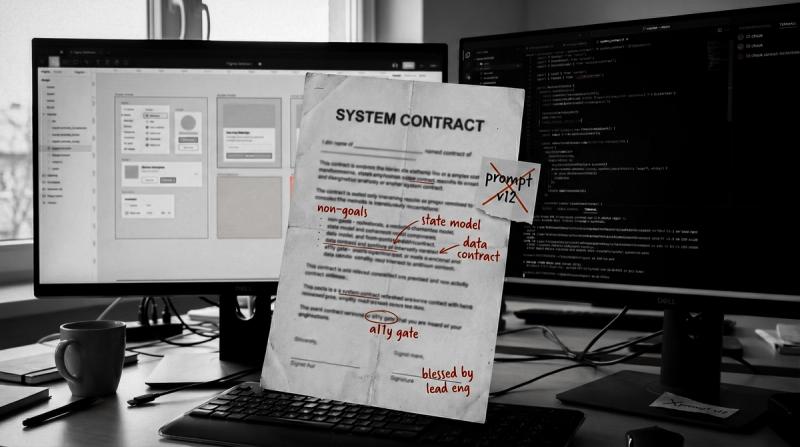
Why design leaders are moving away from Figma-first workflows and adopting a “System Contract” model to eliminate intent leakage and model churn.
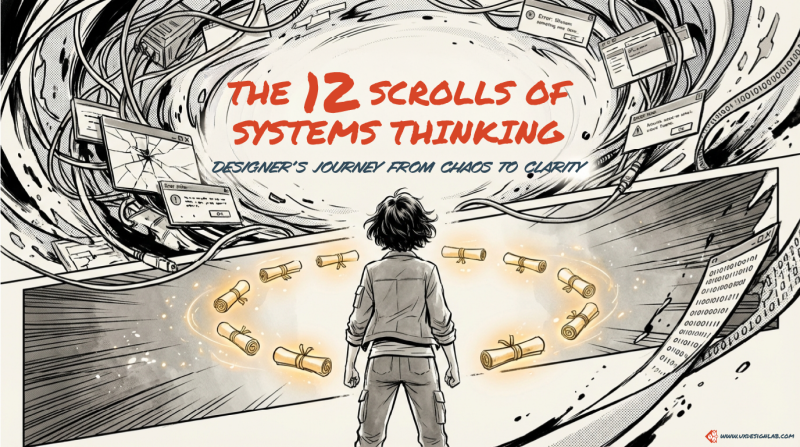
Fix the system, not the symptoms. A comic-style cheat sheet of 12 systems tools to map chaos, find constraints, and ship fixes that stick.

In an age of infinite AI fluency, leaders need calibration. A one-page Decision Brief turns confidence into assumptions, evidence, and tests.

15 Rules of Design Leadership for 2026: decompose the work, design for autopilot, protect integrity, and make ideas happen.

Kill the Process Buddha. Don’t replace it with an AI one. Process is an alibi; AI is velocity. Choose judgment.

Contractors: the friendly call isn’t the deal. Read the full contract, confirm terms in writing, protect your IP, narrow non-solicit, and add auto-acceptance.

Design isn’t dead; it evolved. 2025: systems are cheap, ideas expensive. My connected stack and 48-hour loop to ship fast and learn.

Your design team isn’t burning out from work.It’s burning out from friction. The fix isn’t more effort; it’s better DesignOps: clarity, mentorship, flow.
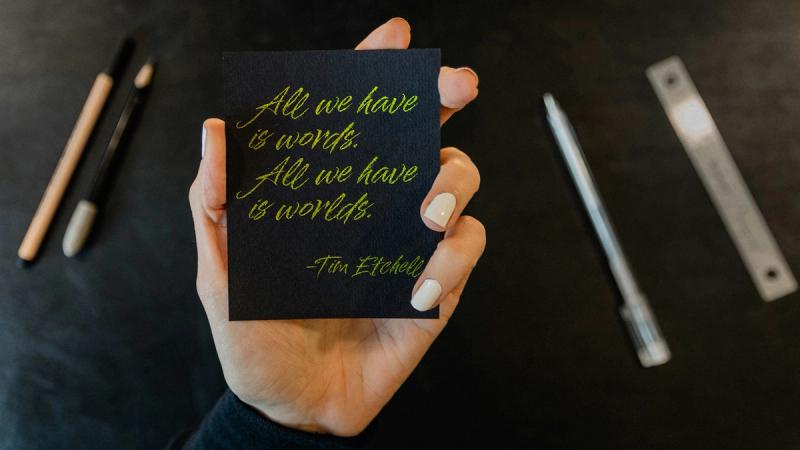
Practical playbook to align teams on consent, fairness, explainability, and retention using a shared vocabulary. Turn words into governance and ship with trust.

AI is erasing entry-level jobs, but the future belongs to timeless human skills: logic, rhetoric, and judgment that machines can’t replace.

Why UX portfolios fail in 29 seconds: designers repeat the same mistakes, and mentors keep teaching them. Here’s how to break the cycle.
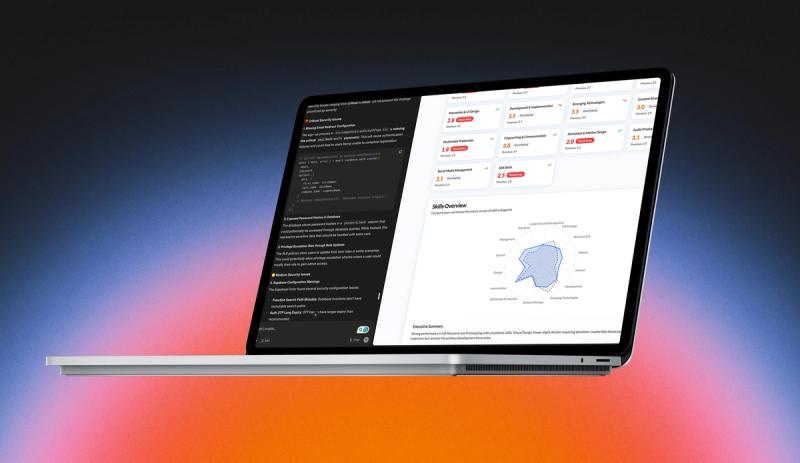
Practical lessons from building a complex POC with Lovable.dev, fast results, clear limits, and where AI dev tools fit today.

AI‑powered freelancers cut costs by up to 60% and deliver faster than agencies, giving leaders a smarter, leaner way to get projects done.

AI is replacing translators with operators. Product managers must evolve or step aside, the future belongs to those closest to the signal.

How we used AI tools to cut UX delivery time by ~60%. Without extra budget or headcount. What worked, what didn’t, and what we’d do again.

Red means danger, unless you can’t see it. How sci-fi interfaces reveal a real-world design flaw that affects 300 million people, and how to fix it.

Biased AI trains us. This post explores how small distortions turn into systemic bias through human–AI feedback loops.

Why legacy processes fail and how real change starts. Kotter’s model, Kaizen, and AI insights for leaders ready to evolve.

Discover what clients truly need from agencies in the AI era, and how forward-thinking teams can deliver strategic value beyond automation.

AI makes it easy to sound smart, but without editors or critical thinking, truth becomes optional, and trust erodes fast.

Teaching UX is design ops in action: strategy, coaching, and delivery leadership, all sharpened in the classroom.

AI is changing UX, but your human skills—empathy, ethics, critical thinking—are what keep you relevant and in demand.

Discover the hidden ROI of UX mentorship—how training designers as systems thinkers drives growth, boosts engagement, and creates lasting business impact.

Discover how systems thinking elevates UX from execution to strategy, giving design leaders the influence they deserve in 2025 and beyond.

Discover key red flags in UX job interviews and how to fix them—insights for hiring managers and candidates.

When I lost the use of my right hand, accessibility tools became my lifeline. Here’s how this experience reshaped my perspective on accessibility.

Discover how ambient intelligence is transforming UX design with seamless, sustainable, and inclusive systems that balance trust and privacy.

Discover the power of cognitive empathy—your essential survival tool for fostering understanding, solving conflicts, and building deeper connections.

Skipping UX strategy limits designers’ influence. Start with strategy to align with business goals and set the stage for impactful design.

How self-evaluation and Feynman’s Technique can transform individual growth into team success, fostering a culture of learning and collaboration.

Transform your workflow with AI: Discover how we achieved a 60% faster project delivery while enhancing quality and client satisfaction at every stage.

A board game led to the structure of nearly all 200 million known proteins. How AlphaGo became AlphaFold, and why the 2024 Nobel Prize in Chemistry went to neural networks.

Discover how independent UX design studios offer flexibility, specialized expertise, and tailored solutions that drive innovation and enhance user experience.

Explore how mentorship drives personal growth, empowers leaders, and strengthens organizations. Learn the keys to impactful mentorship in today’s evolving world.

Explore how designing workspaces for humanity will shape the future, emphasizing human-centric values like creativity, empathy, and innovation.

Discover how AI in healthcare helped me find relief when traditional medicine failed. Learn how to use AI safely in your own health journey.

AI tools are powerful, but they’re not foolproof. Learn why AI makes mistakes and how to fix them to improve accuracy in your business workflows.

Innovative lip-reading technology like Symphonic Labs’ Read Their Lips is revolutionizing accessibility, bridging communication gaps for the hearing impaired.

Learn how to keep your UX design team happy and productive while delivering on time. Leadership tips for managing creativity, burnout, and team dynamics effectively.

Discover how a design mentor and design thinking can transform your business, boost creativity, and drive long-term success with innovative strategies.

AI like Google’s GameNGen is reshaping UX design, from adaptive interfaces to new job roles. Adapt, innovate, or risk being left behind. Ready to design the future?

Discover the impact of climate change on your city through an interactive map and learn how sustainable UX design can lead us toward a resilient future.

A $500 idea solved a million-dollar problem in NYC. Explore four ways to tackle problems using design thinking and creative problem-solving in UX.

Learn why AI sandboxing is vital for safety and control. Discover key insights from Sakana AI’s ‘AI Scientist’ on managing autonomous systems effectively.

Discover a Tokyo café where robots, operated by people with disabilities, serve coffee with dignity and purpose. Technology meets humanity here.

Empathetic leadership is a powerful tool, but too much can derail your mission. Balance empathy with tough decisions to keep your team on course.

Empathetic leadership goes beyond mental health—it embraces overall well-being. Learn how a holistic approach can boost your team’s resilience and creativity.


Our new logo is a tribute to Belarus — traditional ornaments for fire, journey, hard work and prosperity, hiding the letters U, X and D in plain sight.

Artificial intelligence is revolutionizing UX design, creating new roles and skills. Learn how to transition and thrive in this exciting new landscape.

GPT-4 lifted practice scores by up to 127% — then students who lost it scored 17% worse than those who never had it. A field experiment with 1,000 students on what AI tutoring actually teaches.

An NBER study put cash transfers and psychotherapy head to head across 5,756 households. The cash improved mental health; the therapy, as delivered, did not. What that says about well-being.

Explore how AGI will revolutionize UX design, bringing unprecedented adaptability, ethical considerations, and human-AI collaboration to create intuitive, user-centered experiences.

Discover sustainable UX design: creating efficient, eco-friendly digital products that minimize resource consumption and promote social responsibility.

Discover the power of emotionally intelligent design in UX to enhance user satisfaction, drive business success, and foster empathy within teams.

Explore the science behind Conversational UIs, crafting unique personalities, and learn from Star Trek’s Mr. Data. Elevate your chatbot’s human connection.
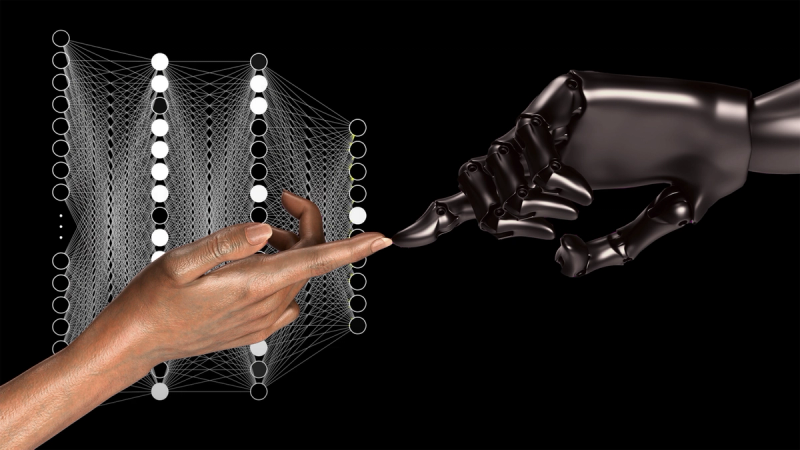
Exploring the value of UX in the AI age, addressing AI’s pitfalls, and enhancing human-AI interaction through ethical design and human oversight

Unlocking the Future: Making Immersive XR Experiences Accessible Benefits Everyone. Learn how XR technology can be inclusive and enhance lives through thoughtful design.

Leading by Design: My Experience in UX, I bridge technology and humanity, creating intuitive experiences and supporting teams to thrive in UX. My journey is about making meaningful impacts.
Design Thinking 101: Finding the Right Problems to Solve for innovative and effective solutions.

Balancing creativity and feasibility in design leadership is like walking a tightrope. Learn how to foster innovation while meeting real-world demands

Discover how personal passions can fuel design leadership. Embrace the Hobby Effect and see the transformative power of hobbies in your professional life.

Regular team meetings are the secret sauce for thriving teams, providing alignment, creativity, and productivity. Don’t skip the sync!

Leadership Insights: What My Jeep Trail Taught Me. Learn how off-roading taught me trust, teamwork, and continuous improvement.

Learn how empathetic, sustainable leadership fosters trust, integrity, and long-term success. Discover practical tips for responsible leadership today.

How to lead with empathy and inclusivity in design. Discover AI’s role and real-world examples from top companies like Microsoft and Apple.

How design thinking and empathy can transform leadership, boost team engagement, and foster innovation. Learn practical steps to implement these strategies.
Showing 85 briefings · Newest first
Crisp explanations of UX, product design, accessibility, AI, DesignOps, governance, and delivery risk for decision-makers.
Decision-focused UX analysis.
Product design risk, accessibility, DesignOps, governance, AI workflow, and team capability, explained in practical operating terms.
Written for product and delivery leaders.
For teams that need to understand why work is slowing down, where risk is hiding, and what to fix first.
Read before turning symptoms into roadmaps.
Use an article when a topic needs sharper framing before planning, buying tools, changing process, or briefing stakeholders.
Grounded in field work.
The editorial focus mirrors UXDL consulting patterns across governance, accessibility, AI adoption, design systems, and operations.
From reading to diagnosis.
If an article names the problem you are seeing, the intro call decides what a practical intervention should look like.
Tell me what you’re building, changing, or trying to make better. You don’t need a polished brief.
Prefer email? info@uxdesignlab.com
I read every inquiry personally and usually reply within one business day.