Logistics / Research / Service Design

Service design for complex logistics operations

UX Design Lab used immersive field research and service design to turn fragmented logistics coordination into a role-aware operational platform, improving workflows by 35%, reducing communication incidents by 21%, and cutting role involvement by 70%.

35%

Workflow improvement

21%

Communication incidents reduced

70%

Role involvement reduced

11

Legacy systems unified

UX ResearchService DesignProduct DesignPrototyping

Introduction

The Problem

A major logistics operator relied on 11 disconnected legacy applications and manual communication methods to coordinate vessels, dispatch, repair crews, and business units.

The Response

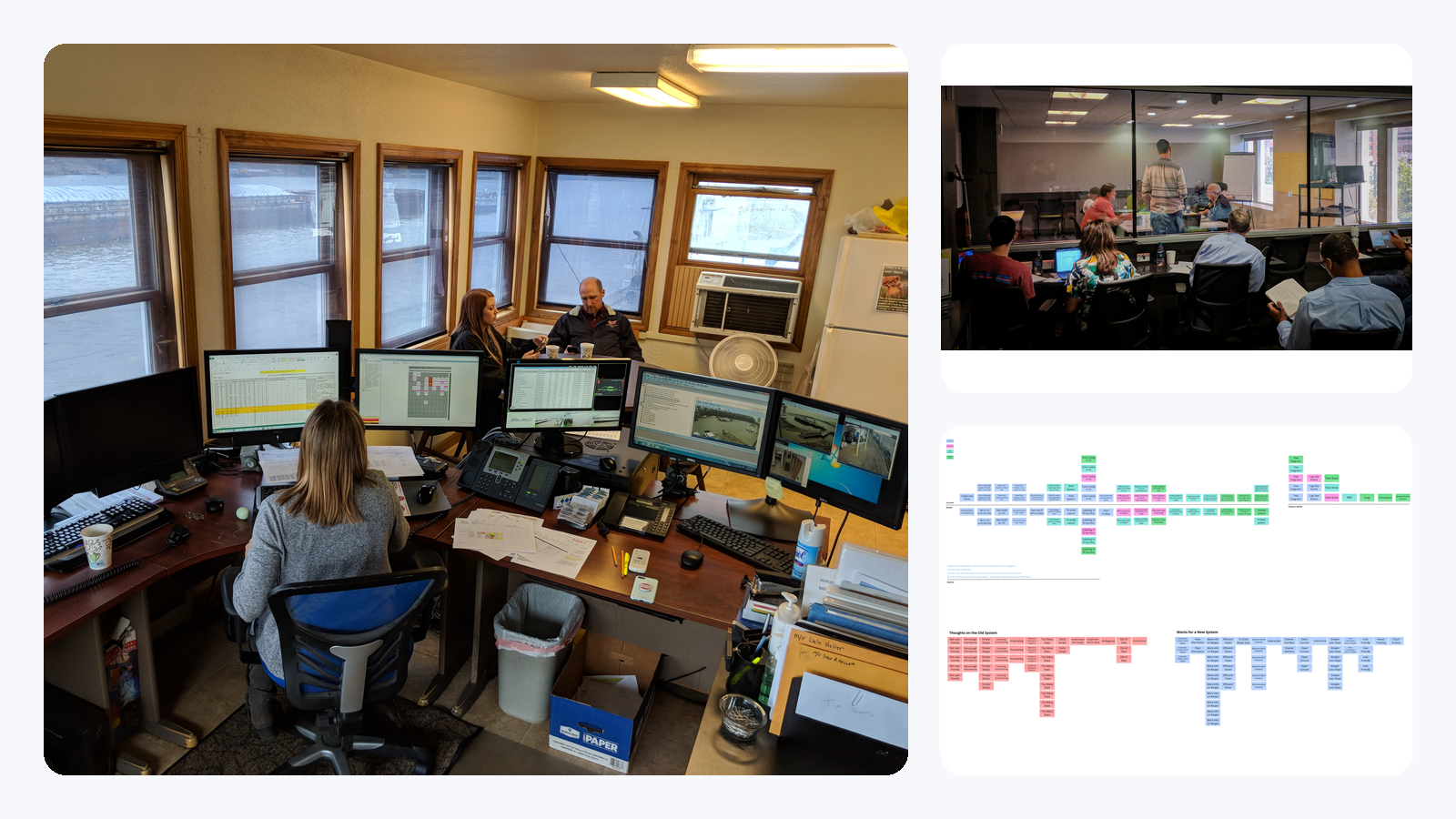
100+ days of immersive fieldwork with crews, dispatchers, and maintenance staff.

Industry

Logistics / Operations

Services

UX Research, Service Design, Product Design, Prototyping

Problem frame

fragmented systems, manual workflows, communication failure

Outcome focus

workflow efficiency, service redesign, internal standardization

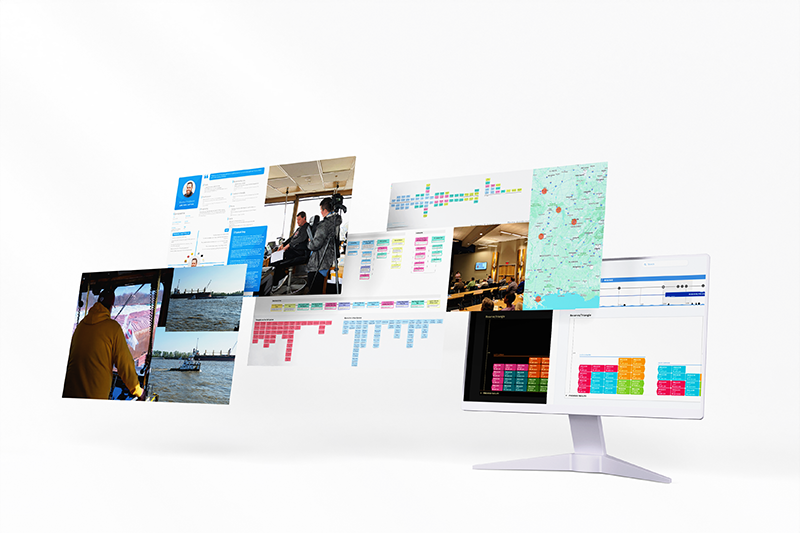
Waterway logistics case study overview
Recovered overview image from the live waterway logistics case study.

Operational context

A major logistics operator relied on 11 disconnected legacy applications and manual communication methods to coordinate vessels, dispatch, repair crews, and business units.

What the field research uncovered

  1. 100+ days of immersive fieldwork with crews, dispatchers, and maintenance staff.
  2. One workflow often required six personas to complete.
  3. Critical status updates were outdated or lost.
  4. Overnight crews needed low-light interface patterns to reduce fatigue and error.
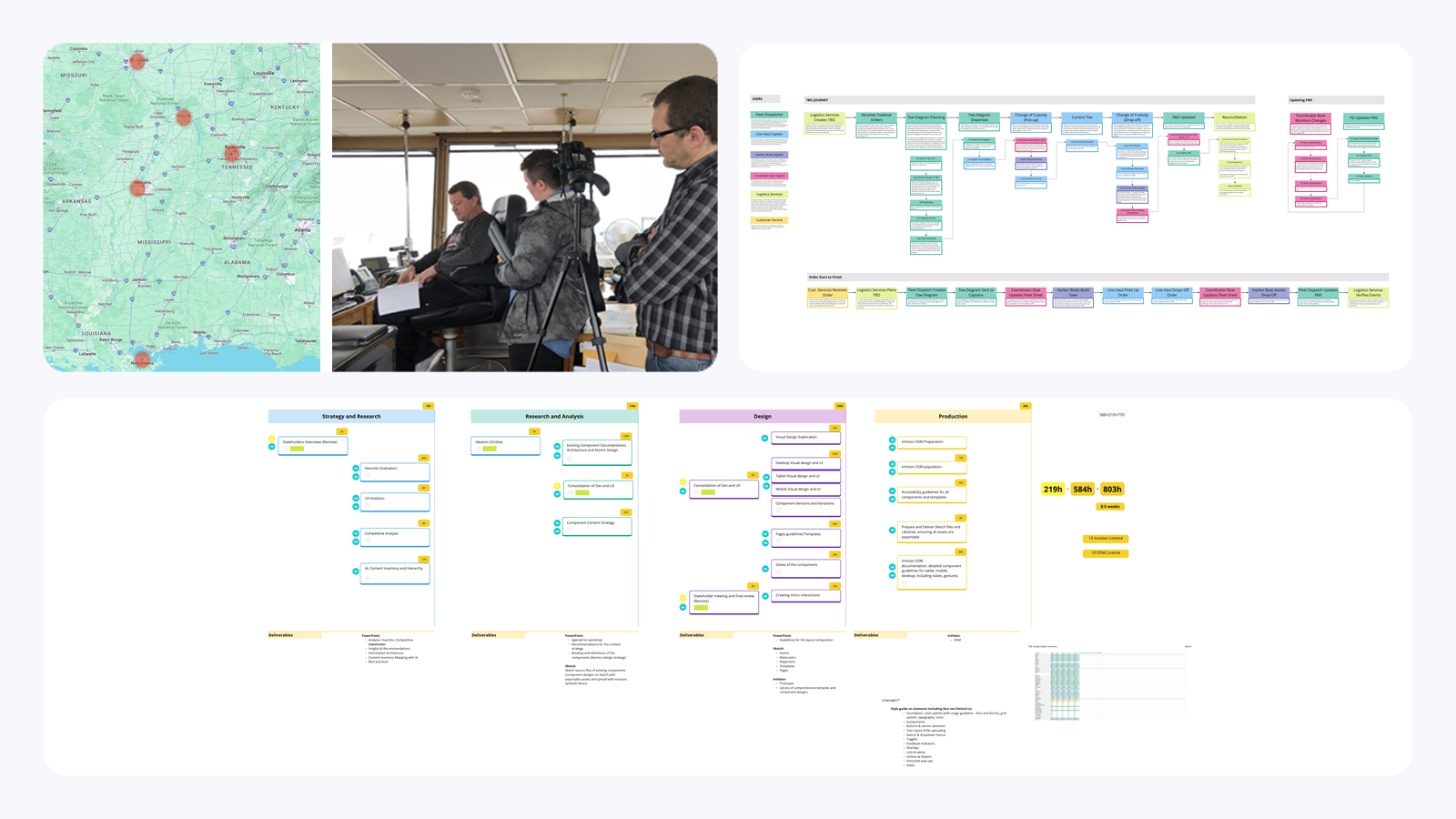
Field research and service design image for the logistics case study
Research-driven design: uncovering insights to move logistics forward.
Operational overview for the waterway logistics platform redesign
Recovered workflow overview from the live waterway logistics case study.

How the service was redesigned

Step 01

Mapped cross-role workflows and friction across systems.

Step 02

Reframed fragmented coordination as a service design problem.

Step 03

Reduced some critical flows from six involved personas down to three.

Step 04

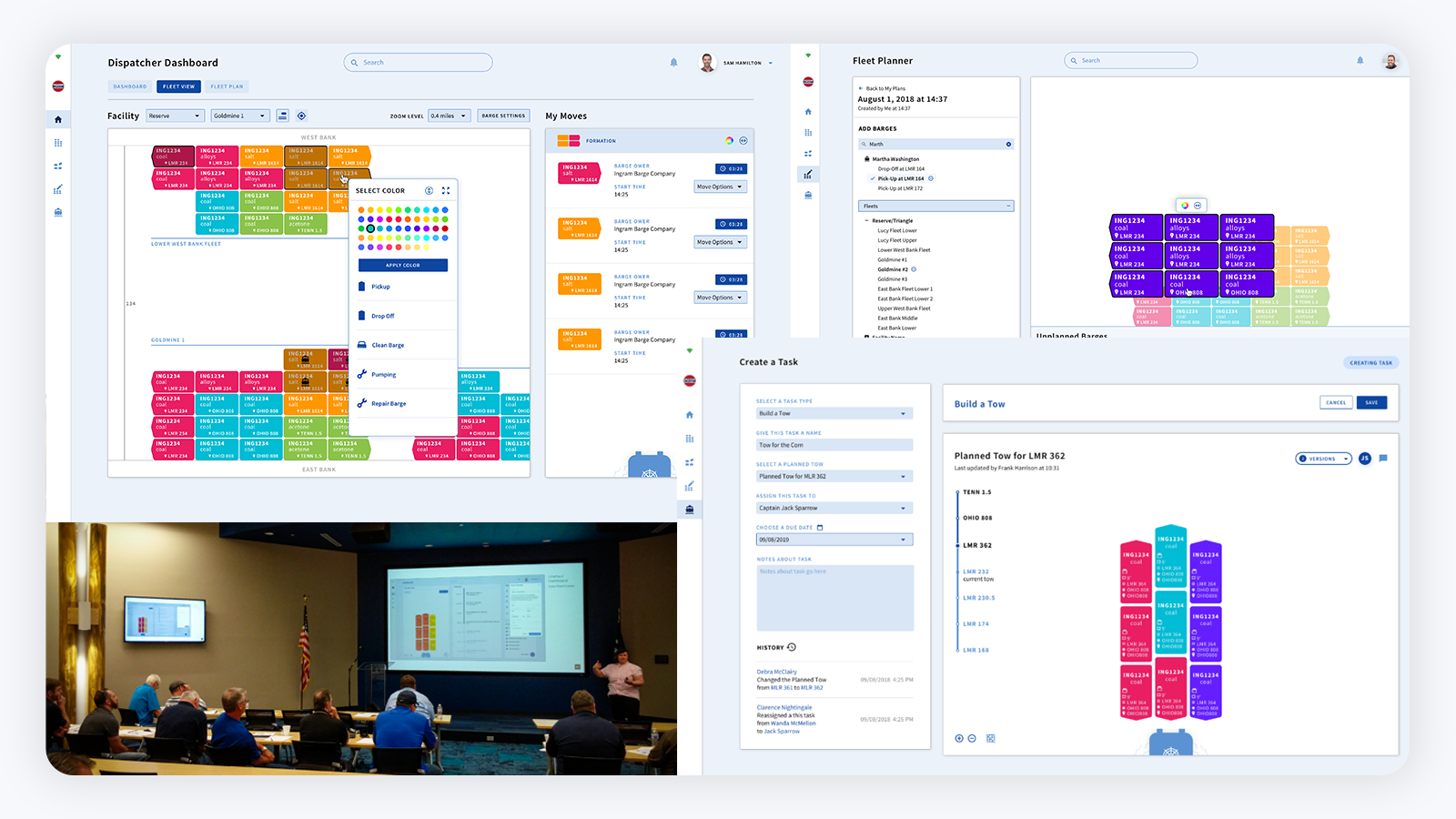
Delivered role-aware patterns, dashboards, and component foundations.

Step 05

Created a new internal standard for software delivery.

Role-aware product interface from the waterway logistics redesign
Recovered product interface view from the live waterway logistics case study.

The Outcome

Workflow efficiency. Service redesign. Internal standardization.

+35% faster

Workflows

-21%

Communication incidents

-70%

Role involvement

Adopted as internal standard

UX process

More Work

View all work
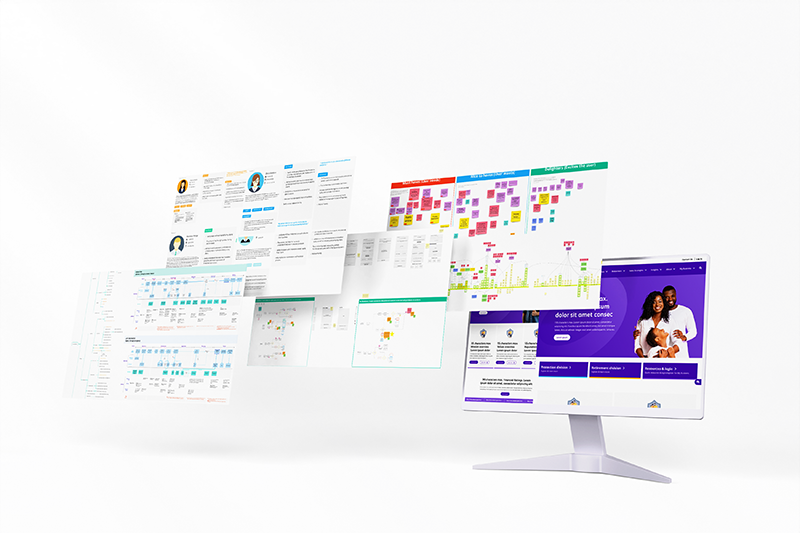
Unified digital ecosystem overview across multiple properties

70+ Properties unified

Operational redesign for a fragmented digital ecosystem

UX Design Lab helped a major insurance organization replace fragmented delivery, duplicated work, and team burnout with a shared system of templates, governance, and collaboration — cutting departmental costs by 20% and reducing developer dependency by 60%.

Design OpsDesign SystemsResearch
Read case study
Enterprise design system overview spanning multiple branded experiences

800+ Properties supported

Design system governance at enterprise scale

UX Design Lab helped a global enterprise replace fragmented delivery with a governed design system and coded source of truth, reducing production time by 40%, lowering delivery costs by more than half, and cutting accessibility defects by 18%.

Design SystemsDesign OpsGovernance
Read case study
IVF support app case study overview

45 days Delivery timeline

Rapid product design for a high-stakes health experience

UX Design Lab designed a mission-critical IVF support experience under extreme timeline pressure, using a global follow-the-sun workflow to deliver a high-fidelity prototype in 45 days and help support the client’s next funding round.

Product DesignMobile UXPrototyping
Read case study
Accessibility governance overview from the live case study

18% Accessibility defects reduced

Accessibility governance at enterprise scale

UX Design Lab turned fragmented accessibility work into a repeatable governance model by integrating standards, reviews, and delivery gates into how digital work got done, reducing defects by 18% and improving audit readiness.

AccessibilityGovernanceDesign Ops
Read case study
Strategic de-risking case study overview

$900k+ Cost avoided

Strategic product de-risking before build

UX Design Lab ran a rapid diagnostic that showed 93% of the client’s issues were operational rather than software-related, helping leadership avoid an unnecessary build and redirect investment into a clearer service roadmap.

StrategyService DesignDiagnostics
Read case study