
Strategy / Service Design / Diagnostics

Strategic product de-risking before build

UX Design Lab ran a rapid diagnostic that showed 93% of the client’s issues were operational rather than software-related, helping leadership avoid an unnecessary build and redirect investment into a clearer service roadmap.

$900k+

Cost avoided

93%

Issues found operational

2 weeks

Diagnostic length

StrategyService DesignDiagnosticsConsulting

Introduction

The Problem

Leadership was prepared to fund a software build, but the core issues were not yet validated. The client had experienced persistent operational friction — delays, miscommunications, and handoff breakdowns — and attributed them to missing software capabilities. UX Design Lab was brought in to test that assumption before any commitment was made.

The Response

Conducted structured interviews with stakeholders across the operational chain to map reported pain points.

Industry

B2B / Enterprise

Services

Strategy, Service Design, Diagnostics, Consulting

Problem frame

misframed problem, unnecessary build risk, operational friction

Outcome focus

cost avoidance, strategic clarity, de-risking

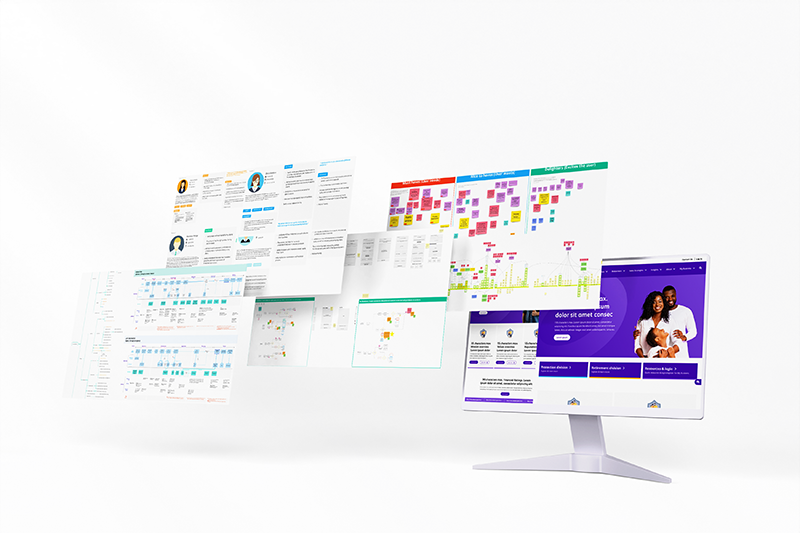
Strategic de-risking case study overview
Recovered overview image from the live de-risking case study.

What the client thought they needed

Leadership was prepared to fund a software build, but the core issues were not yet validated. The client had experienced persistent operational friction — delays, miscommunications, and handoff breakdowns — and attributed them to missing software capabilities. UX Design Lab was brought in to test that assumption before any commitment was made.

How the diagnostic was run

The engagement was structured as a two-week focused diagnostic, not a design sprint. The goal was to produce a decision, not a deliverable.

  1. Conducted structured interviews with stakeholders across the operational chain to map reported pain points.
  2. Observed live workflows to distinguish friction caused by software gaps from friction caused by process and communication breakdowns.
  3. Classified every reported issue as software-dependent or operationally solvable without a build.
  4. Synthesized findings into a root-cause map that leadership could act on immediately.
  5. Delivered a clear recommendation: stop, restructure the service model, and revisit the build decision with better information.

What UX Design Lab delivered instead

The deliverable was not a prototype or design specification. It was a decision-ready diagnostic: a structured view of root causes, a classification of issues by type, and a service roadmap that gave leadership a clear path forward without committing engineering resources to the wrong problem.

Step 01

Root-cause classification map separating operational issues from software dependencies.

Step 02

Stakeholder-ready diagnostic report with evidence and issue severity ranking.

Step 03

Service redesign roadmap prioritizing changes that could be made without a build.

Step 04

Decision framework for revisiting the engineering investment with validated requirements.

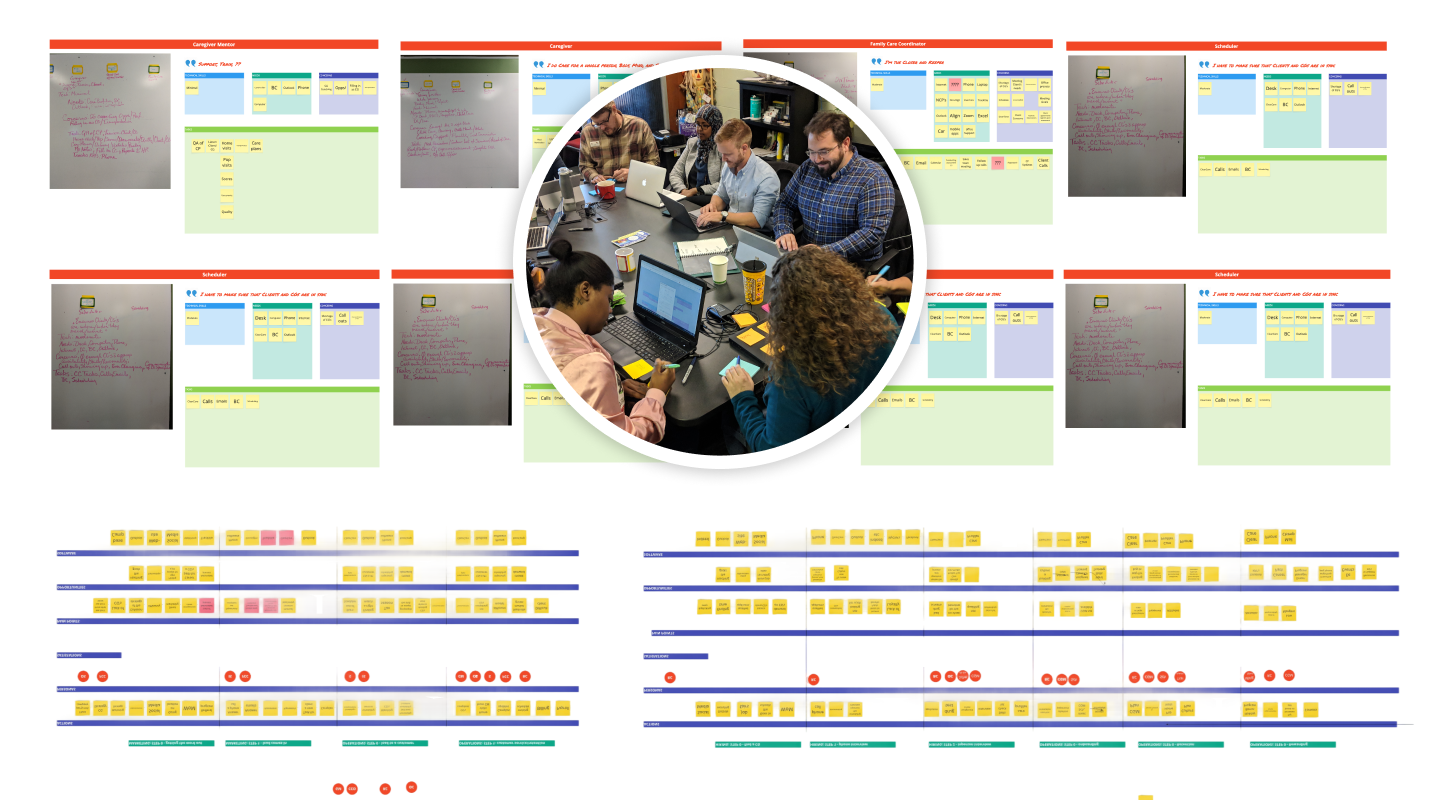
Operational diagnostic artifact used to identify root causes before build
Recovered diagnostic artifact from the live de-risking case study.

The Outcome

The diagnostic proved that 93% of the reported issues were operational in nature — resolvable through process and service redesign rather than software. By stopping the build before it started, the client avoided more than $900k in misallocated engineering spend and redirected investment into a clearer, more defensible service strategy.

93%

Issues found operational

$900k+

Build cost avoided

2 weeks

Diagnostic duration

More Work

View all work
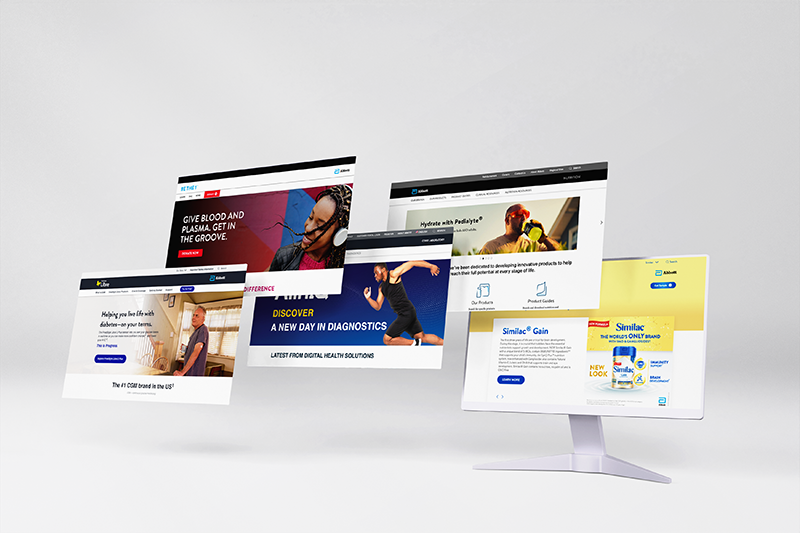
Accessibility governance overview from the live case study

18% Accessibility defects reduced

Accessibility governance at enterprise scale

UX Design Lab turned fragmented accessibility work into a repeatable governance model by integrating standards, reviews, and delivery gates into how digital work got done, reducing defects by 18% and improving audit readiness.

AccessibilityGovernanceDesign Ops
Read case study
Unified digital ecosystem overview across multiple properties

70+ Properties unified

Operational redesign for a fragmented digital ecosystem

UX Design Lab helped a major insurance organization replace fragmented delivery, duplicated work, and team burnout with a shared system of templates, governance, and collaboration — cutting departmental costs by 20% and reducing developer dependency by 60%.

Design OpsDesign SystemsResearch
Read case study
Enterprise design system overview spanning multiple branded experiences

800+ Properties supported

Design system governance at enterprise scale

UX Design Lab helped a global enterprise replace fragmented delivery with a governed design system and coded source of truth, reducing production time by 40%, lowering delivery costs by more than half, and cutting accessibility defects by 18%.

Design SystemsDesign OpsGovernance
Read case study
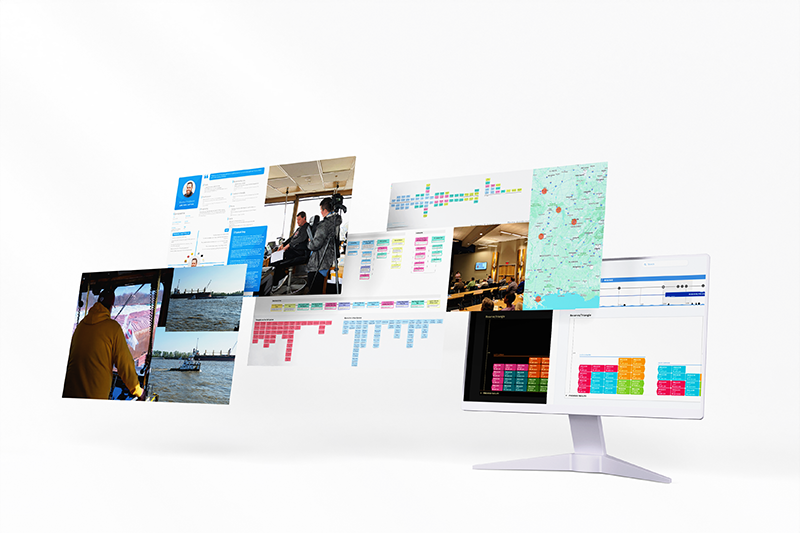
Waterway logistics case study overview

35% Workflow improvement

Service design for complex logistics operations

UX Design Lab used immersive field research and service design to turn fragmented logistics coordination into a role-aware operational platform, improving workflows by 35%, reducing communication incidents by 21%, and cutting role involvement by 70%.

UX ResearchService DesignProduct Design
Read case study
IVF support app case study overview

45 days Delivery timeline

Rapid product design for a high-stakes health experience

UX Design Lab designed a mission-critical IVF support experience under extreme timeline pressure, using a global follow-the-sun workflow to deliver a high-fidelity prototype in 45 days and help support the client’s next funding round.

Product DesignMobile UXPrototyping
Read case study