
Direction feels unclear
The team is moving, but priorities keep changing and product decisions do not hold.
Best fit: Design StrategyServices
Most teams do not need more options. They need clarity. Bring the problem, the pressure, or the mess. We will help find the right starting point.
Start with what is getting in the way. We will help determine whether the problem is product direction, user experience, delivery, accessibility, AI, or team capability.
The team is moving, but priorities keep changing and product decisions do not hold.
Best fit: Design StrategyUsers hit friction, important flows feel heavy, and the interface is slowing people down.
Best fit: Product DesignWork gets stuck between teams. Ownership is unclear, handoffs break, and rework keeps returning.
Best fit: Design Delivery and DesignOpsAccessibility is late, inconsistent, or treated as cleanup. Risk and rework increase because the process does not change.
Best fit: AccessibilityTurn an early idea into clear product direction, a tested prototype, and a stronger story for investor conversations.
Best fit: Startup Product SprintSome problems are not only product, process, accessibility, or AI. The first step is finding the real constraint.
Best fit: Intro callSix areas UXDL can bring into the work. You do not need to choose one before the first call.
Clarify the problem, priorities, and product decisions before delivery starts.
What UXDL can deliver
Clearer priorities and less wasted design work.
Turn product ideas into tested flows, prototypes, and build-ready design.
What UXDL can deliver
Easier product experiences and stronger delivery readiness.
Improve workflows, handoffs, and standards so teams can make decisions and ship with less rework.
What UXDL can deliver
Better coordination and more predictable delivery.
Find risk early and build accessibility into reviews, standards, and delivery.
What UXDL can deliver
Fewer defects, lower risk, and more inclusive products.
Design useful AI workflows with human control, clear limits, and ways to recover when something goes wrong.
What UXDL can deliver
Clearer AI-assisted work and safer product decisions.
Help teams make stronger product decisions and improve how they review and deliver work.
What UXDL can deliver
Stronger review habits, clearer standards, and less dependence on outside support.
Focused starting points
Short, focused engagements for teams that need a clear first step before committing to broader work.
Shape an early idea into clear product direction, a tested prototype, and a stronger story for investor conversations.
Typical timing confirmed after the first call
Timing depends on the research, prototype, and investor-story scope. Advice and product preparation only. Funding decisions stay with founders and investors.
Discuss a startup sprintReview an AI product for trust, transparency, human control, accessibility, error recovery, and unclear system behavior before launch or scale.
2–3 weeks
You receive findings and recommendations. Implementation remains optional and under client control.
Request the auditReview a critical product journey, identify the highest-risk accessibility problems, and give the team a clear fix plan.
2–4 weeks
You receive a prioritized fix plan. Client teams own the remediation path and approvals.
Review accessibility riskVerified results from shipped product work.
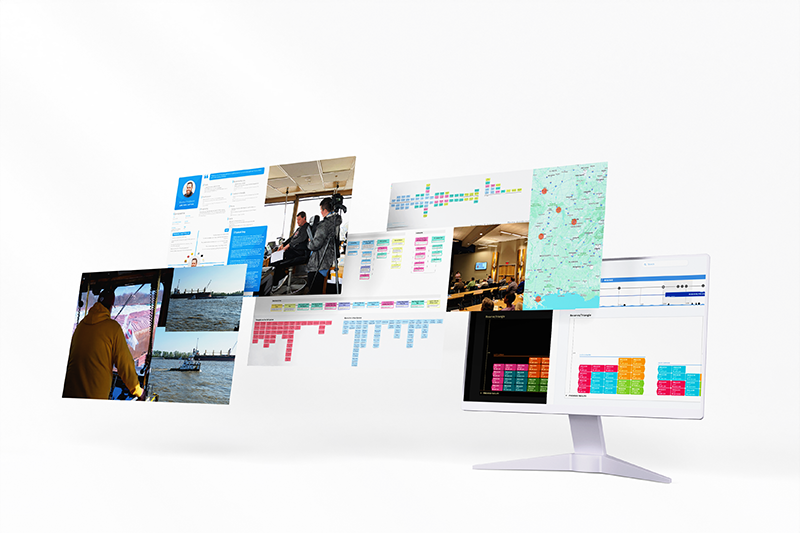
35% Workflow improvement
UX Design Lab used immersive field research and service design to turn fragmented logistics coordination into a role-aware operational platform, improving workflows by 35%, reducing communication incidents by 21%, and cutting role involvement by 70%.
Read case study
45 days Delivery timeline
UX Design Lab designed a mission-critical IVF support experience under extreme timeline pressure, using a global follow-the-sun workflow to deliver a high-fidelity prototype in 45 days and help support the client’s next funding round.
Read case study
18% Accessibility defects reduced
UX Design Lab turned fragmented accessibility work into a repeatable governance model by integrating standards, reviews, and delivery gates into how digital work got done, reducing defects by 18% and improving audit readiness.
Read case studyThe right starting point depends on what is clear, what is blocked, and how quickly the work needs to move.
Focused engagements usually run for a few weeks. Larger product and delivery work is scoped after the first call.
Use this when the problem is visible but the cause is not. We identify what is getting in the way before the team spends more time on the wrong fix.
Use this when the direction is clear and the product or system needs hands-on design work.
Use this when the team is already moving but needs senior review, stronger standards, or help with key decisions.
The first call should leave you with a clearer problem, an initial recommendation, and an honest answer about whether UXDL is the right fit.
Focused reviews and sprints usually take a few weeks. Larger product, accessibility, or delivery work depends on the problem, team, and amount of hands-on design needed. The first call will identify a useful starting point and a realistic scope.
That is common. Product problems often cross design, workflow, accessibility, AI, and team structure. The first call helps identify where the work should start.
Yes. Pavel leads the problem framing, key working sessions, reviews, and major recommendations. Core work is not handed to junior staff after the sale.
Next step
No polished brief needed. We will clarify the problem, recommend the first useful step, and tell you whether UXDL is the right fit.